

Power to Choose |What Truly Matters in a Global Society
In The New Norm of Diversity
- 名前
- Kira Bella
- 年齢
- 25
- 所在地
- Kitahiroshima, Hiroshima
- お仕事
- Founder and CEO of Kirameki
- Info
- Interviewed and edited by Minako Shimatani
- URL1
- Kira Bella Instagram
- URL2
- Kirameki Instagram
【Kira's Life Story: In The New Norm of Diversity】
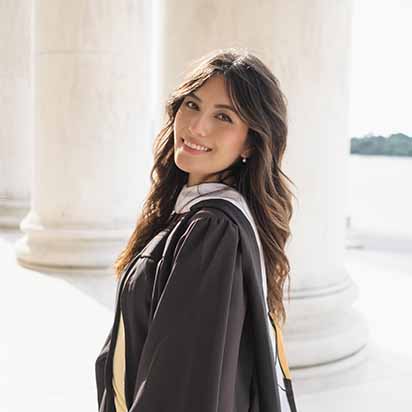
Kira Bella, the founder of Kirameki, a provider of rural tourism and cultural exchange programs based in Kitahiroshima, and a John Hopkins Master's graduate, perfectly demonstrates "100% Original" persona that Bright Choice aspire.
Having traveled to more than 40 countries since childhood, Kira eventually started her own business in Hiroshima. Alongside running her company, she also graduated from the master's degree program in Sustainable Energy at Johns Hopkins University. Kira possesses a deep understanding of diversity, a solid academic foundation of international caliber, and a strong entrepreneurial spirit. We spoke with her to gather insights for Bright Choice readers on how children can find clues to navigate and thrive in the coming era.
Rather than following a pre-existing track, she designs her own path based on her immediate passions and awareness of issues. Her flexible yet resilient lifestyle--best described as "start for now, adjust while running"--serves as the ultimate model for the "ability to create one's own happiness," a trait children living in the AI era and a global society need to acquire. In this three-part series, we uncover the source of her inspiration.
-------------------------------------------------
Part 2: Why Japan, Why Hiroshima?
Power to Choose |What Truly Matters in a Global Society
(Last Episode - The World Raised Me to Become a Global Citizen 〈2026.09.24〉)
Kira eventually found a microcosm of "sustainable international society" in Hiroshima, Japan, which weighs large importance in her life. In the second episode, we asked her for insights on how to raise children who can discern and choose what "truly matters" from options across the globe.
【Living Among Nature and People -- A Formative Experience in the Amazon】
B: Before arriving in Japan, was there a place that you enjoyed a lifelong experience?
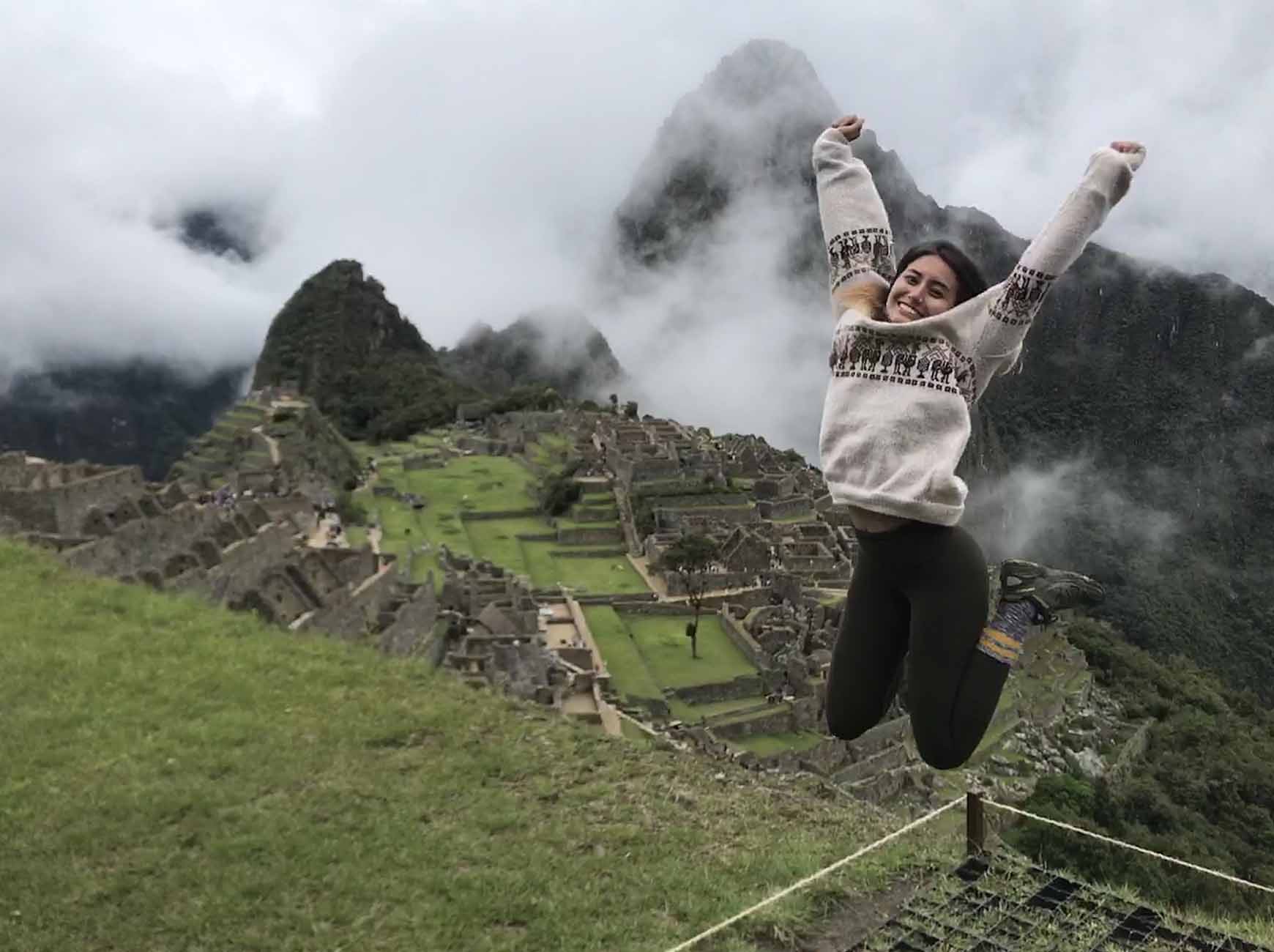
K: It was Peru (the Amazon) when I was 17 or 18 years old. I participated in a rainforest study abroad program by myself, and afterward, traveled solo around Peru for three months. While there, I joined a jungle conservation project run by a professor, getting involved in reforestation and research. Living alongside traveling researchers, I thought, "Someday, I want to have a conservation project like this. Living among nature and people in a beautiful place is the ultimate life."
B: How did that feeling eventually connected to Japan?
K: The Amazon is a land with minimal Western influence that feels close to nature. That sensation later overlapped surprisingly well with what I encountered in Japan. It's a strange thing. The concept of "conservation" I envisioned in the Amazon bore fruit in Japan under a different guise. Ultimately, I think I was creating "cultural conservation." Formative experiences from childhood really do return to your later life in altered forms.
【18 Months and 25 Prefectures of "Traveling While Working"】
B: Did you have any prior ties to Japan?
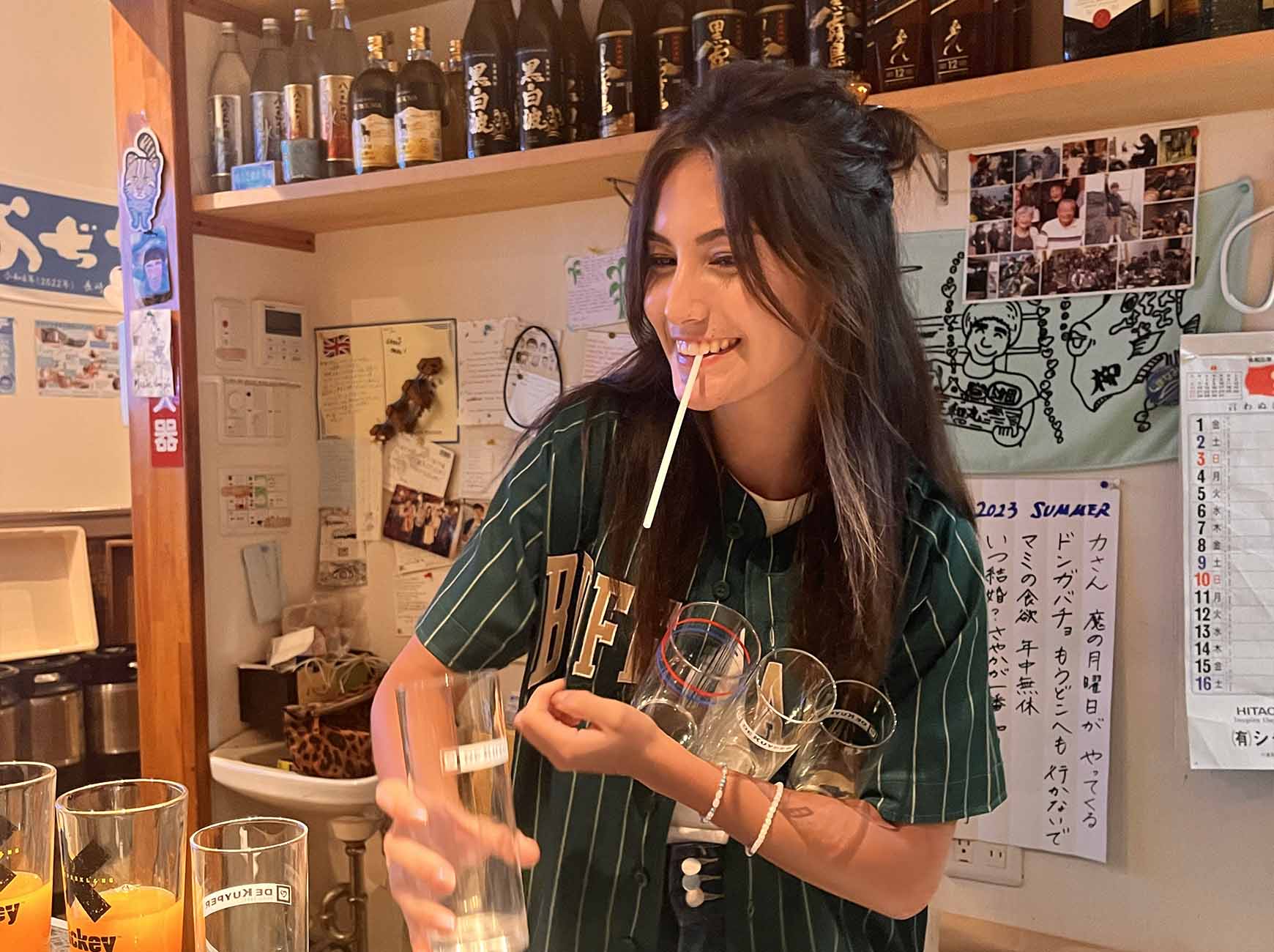
K: I had no blood relations or special connections whatsoever. Even so, the reason I could just dive in was that my childhood days of moving around the world gave me the confidence to step into new things. I came to Japan on a working holiday in June 2023, attended a language school, and then spent 18 months traveling through 25 prefectures while "working." I did babysitting, ryokan (inn) staf, ice cream making, fruit harvesting, cat sitting... By getting my hands dirty on-site, I verified the true face of each locality.
B: What attracted you to Japan?
K: Of all the places I've lived, it is the safest, the food is the most delicious, the people are wonderful, the language is beautiful, nature is abundant, and the community is fantastic. Having grown up familiar with Buddhism through my mother from Myanmar, I naturally felt at home with Japanese Buddhism and Shinto. Most of all, I was drawn to the attitude of pouring maximum effort into even the smallest things. I felt that spending my 20s here would bring out the best version of myself. I mean, everyone supports your efforts and even celebrates your success. I absolutely love that atmosphere, which is distinct from both Australia and America.
【A Chance Encounter Led to a Town of Destiny】
B: How did you encounter Kitahiroshima Town in Hiroshima Prefecture?
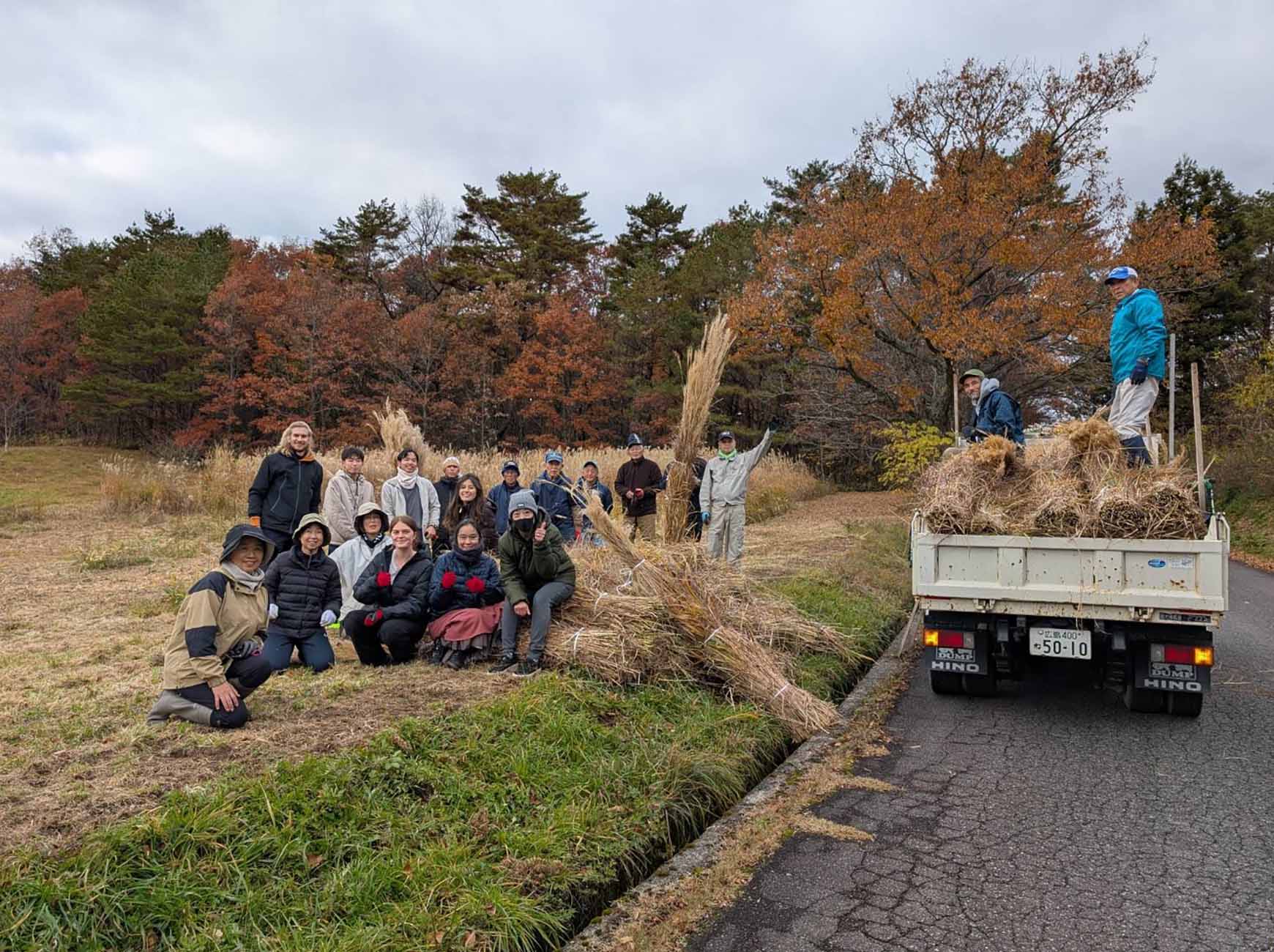
K: The catalyst was a request to "cat-sit for two months" (laughs). When I visited the town, the local people welcomed me so warmly, almost like I was an "adopted child." The mountainous town--located just a 10-minute drive from Shimane Prefecture--has distinct four seasons, a ski resort, and myths alive in its satoyama (border zone between foothills and arable flat land). While talking with the tourism association, the mayor, and prefectural officials dealing with migration and sustainability, I realized their sense of crisis regarding population decline and depopulation aligned perfectly with my own awareness of the issues. I felt we were looking at the same challenges with the same mindset.
B: We heard your encounter with "Kagura" (traditional ritual dance) was also significant.
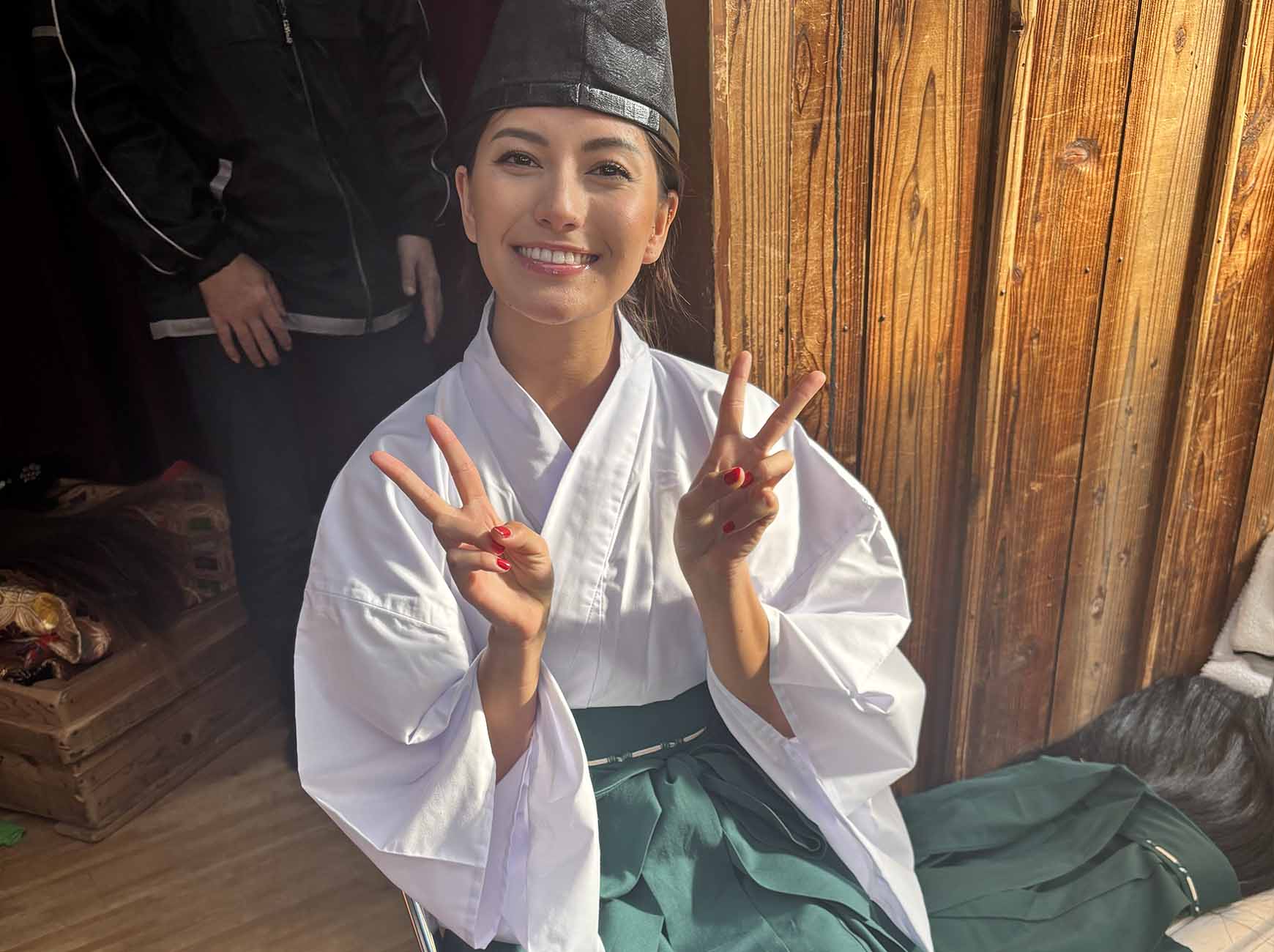
K: Yes. It's a dance passed down through the region, said to have a 3,000-year tradition. I was powerfully drawn to Kagura and actively jumped into local activities. Beyond that, whether it was UNESCO events or dance recitals, if I was invited, I participated without hesitation. Instead of waiting passively, going out proactively allowed me to enter the inner circle. I think the secret for an outsider to blend into a community is not to wait, but to knock on the door yourself.
【Hiroshima is the "Ideal Form of Regeneration" -- Hope to Show Children】
B: It seems you have special feelings toward the land of Hiroshima.
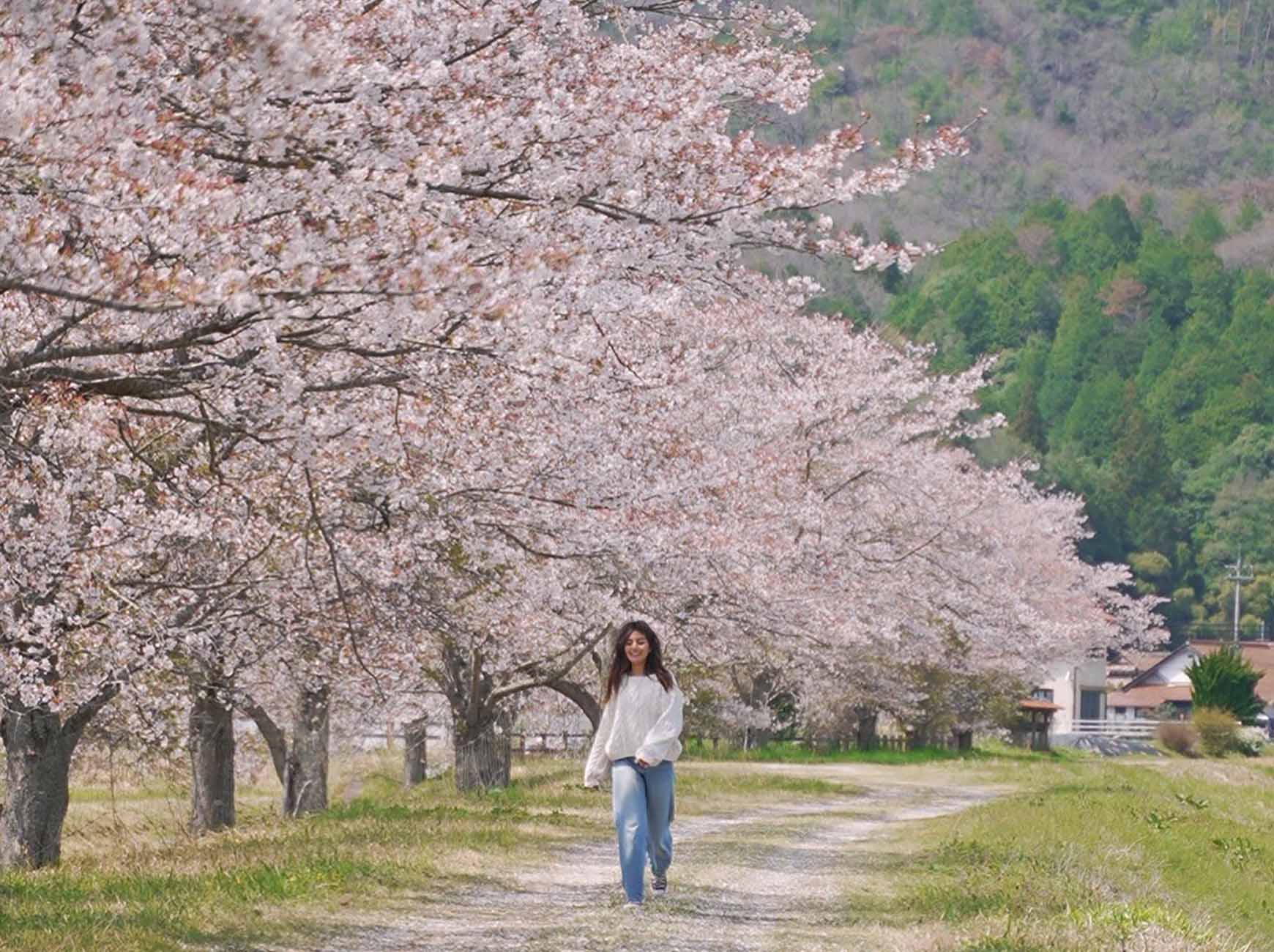
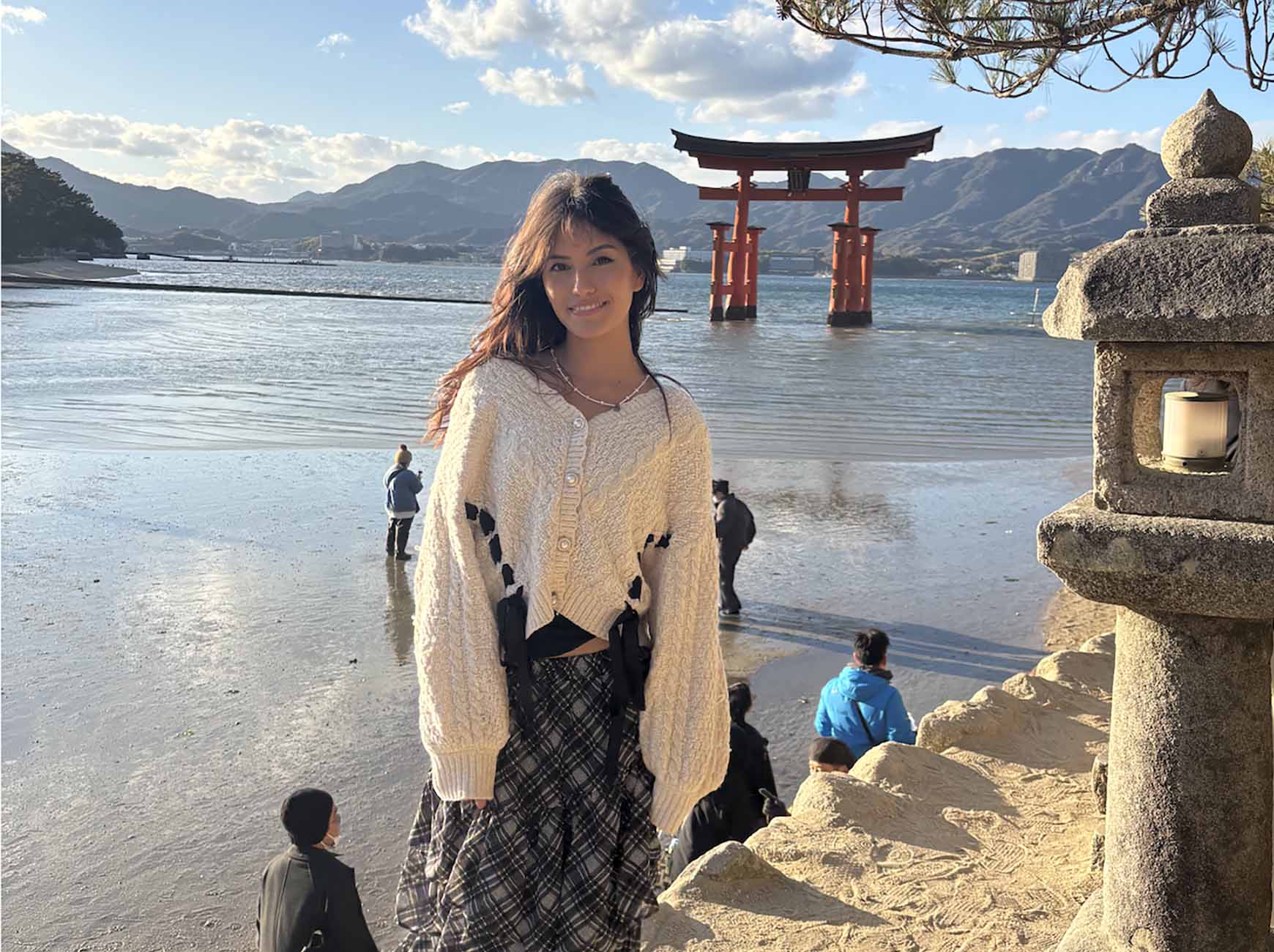
K: As the only place in the world destroyed by an atomic bomb, the entire world knows its name. The first thing most people think of is something "very sad." However, when you visit modern Hiroshima, it has become an incredibly beautiful city where people relax under cherry blossoms. What deeply moved my heart was the attitude of the people of Hiroshima, who wish for peace instead of harboring hatred. When I asked, "Don't you dislike Americans?" they replied, "We just want to ensure it never happens again."
B: It truly sounds like a microcosm of a sustainable international society.
K: It is. Even if everything turns to ash, nature and humanity possess the power to make it beautiful once more. For me, as someone working on regional revitalization, Hiroshima is the absolute ideal form of "regeneration." No matter how terrible a situation is, there is always potential for improvement. It's a place where you can experience that firsthand. I want children, in particular, to see this "living example of hope."
B: Do you have a message for readers raising children?
K: In this world, value doesn't just belong to famous places sitting at the top of guidebooks. What I learned from seeing 40 countries is to "verify what is truly important with your own eyes and choose it yourself." While everyone else goes to Tokyo, I am in Kitahiroshima. Yet, I feel there is a role here that only I can fulfill. So, I want parents to expose their children to plenty of authentic things and ask them, "How did you feel?" The ability to choose a place where your heart truly says "this is it"--rather than following the direction everyone else is heading--becomes the anchor for living in a global society.
【Editor's Note】
At the end of her travels across 40 countries, the place she chose was not a major city, but a small satoyama in Hiroshima. "While everyone else goes to Tokyo, I am in Kitahiroshima"--that choice is the result of discerning what is "truly important" for me rather than relying on information or reputation. Kira teaches us that we parents should nurture children's "power to choose" as they live in a sustainable international society.
▼ In the next episode (Part3), we will finally gear into Kira's entrepreneurship, where Kira guides us how to nurture an "entrepreneurial spirit" at home for our children to survive the AI era.
【Kira's Life Story: In The New Norm of Diversity】
Part1: Upbringing
The World Raised Me to Become a Global Citizen (2026.09.24)
Part2: Why Hiroshima?
Power to Choose|What Truly Matters in a Global Society (2026.10.01)
Part3: Entrepreneurship
Life Lesson from a John Hopkins Master's Graduate (2026.10.08)