

The World Raised Me to Become a Global Citizen
In The New Norm of Diversity
- 名前
- Kira Bella
- 年齢
- 25
- 所在地
- Kitahiroshima, Hiroshima
- お仕事
- Founder and CEO of Kirameki
- Info
- Interviewed and edited by Minako Shimatani
- URL1
- Kira Bella Instagram
- URL2
- Kirameki Instagram
【Kira's Life Story: In The New Norm of Diversity】
Kira Bella, the founder of Kirameki, a provider of rural tourism and cultural exchange programs based in Kitahiroshima, and a John Hopkins Master's graduate, perfectly demonstrates "100% Original" persona that Bright Choice aspire.
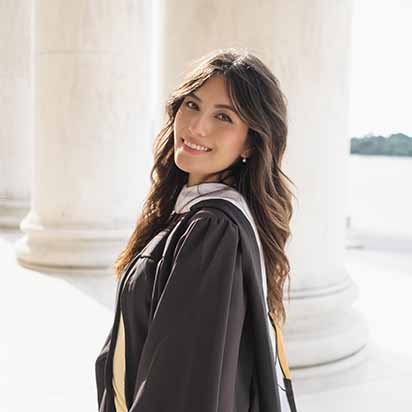
Having traveled to more than 40 countries since childhood, Kira eventually started her own business in Hiroshima. Alongside running her company, she also graduated from the master's degree program in Sustainable Energy at Johns Hopkins University. Kira possesses a deep understanding of diversity, a solid academic foundation of international caliber, and a strong entrepreneurial spirit. We spoke with her to gather insights for Bright Choice readers on how children can find clues to navigate and thrive in the coming era.
Rather than following a pre-existing track, she designs her own path based on her immediate passions and awareness of issues. Her flexible yet resilient lifestyle--best described as "start for now, adjust while running"--serves as the ultimate model for the "ability to create one's own happiness," a trait children living in the AI era and a global society need to acquire. In this three-part series, we uncover the source of her inspiration.
-------------------------------------------------
Part 1: Upbringings
The World Raised Me to Become a Global Citizen
Born in Tanzania, raised in Australia, and moved to the US alone at age 15. Her first language is French, and her mother is a Buddhist from Myanmar. Kira's upbringing itself reads like a lesson in "international education." What did she absorb from this environment where diverse cultures intersected, and what kind of foundation did it build for her personality? Through her life story, Kira gave us many tips on how to discover and nurture a child's "true self" to live in this global society.
【The "First 5 Years of Life" Form the Core of Personality】
Bright Choice (hereafter B): First, please tell us about your childhood. We acknowledge that you grew up in a very international environment.
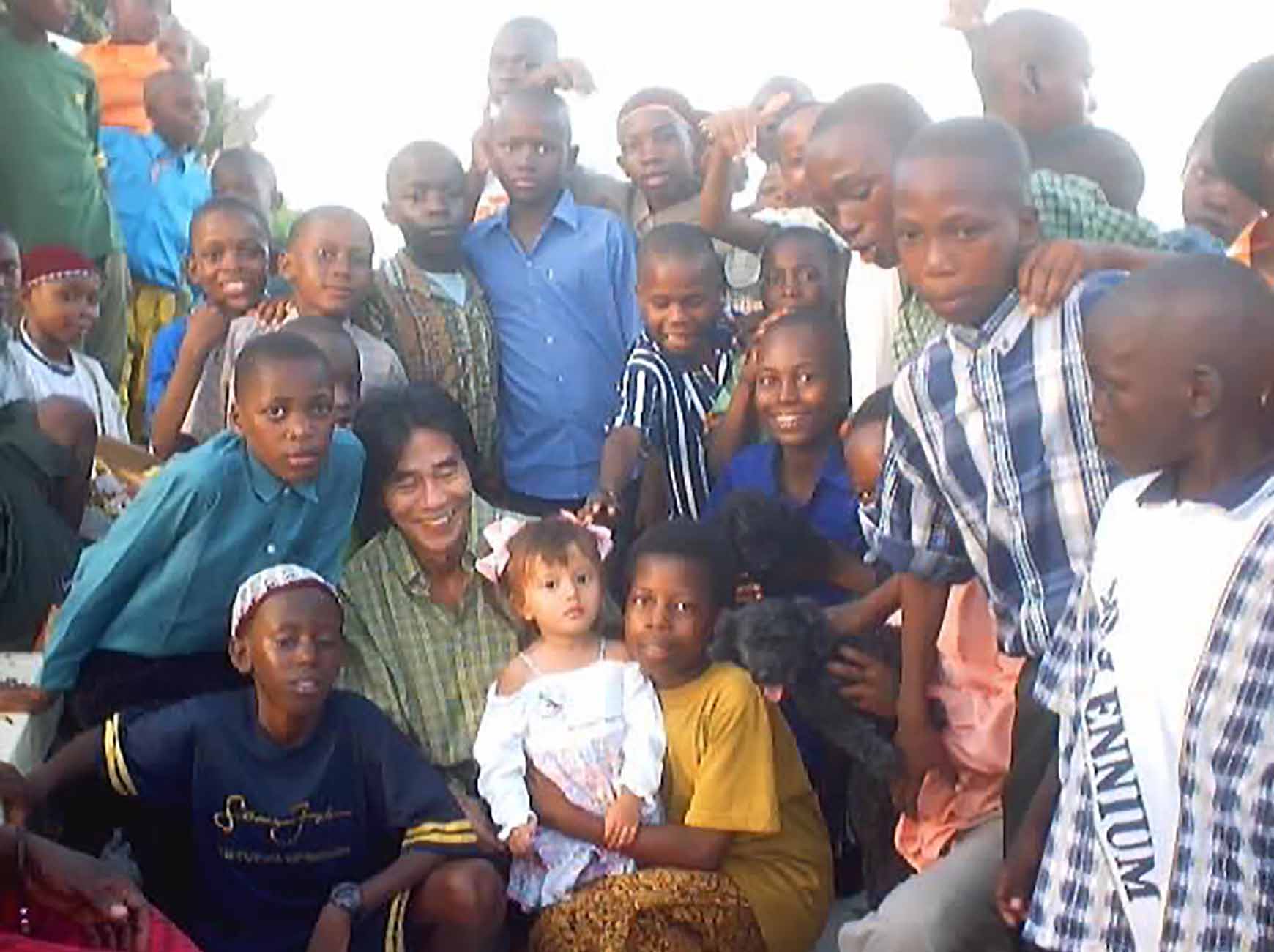
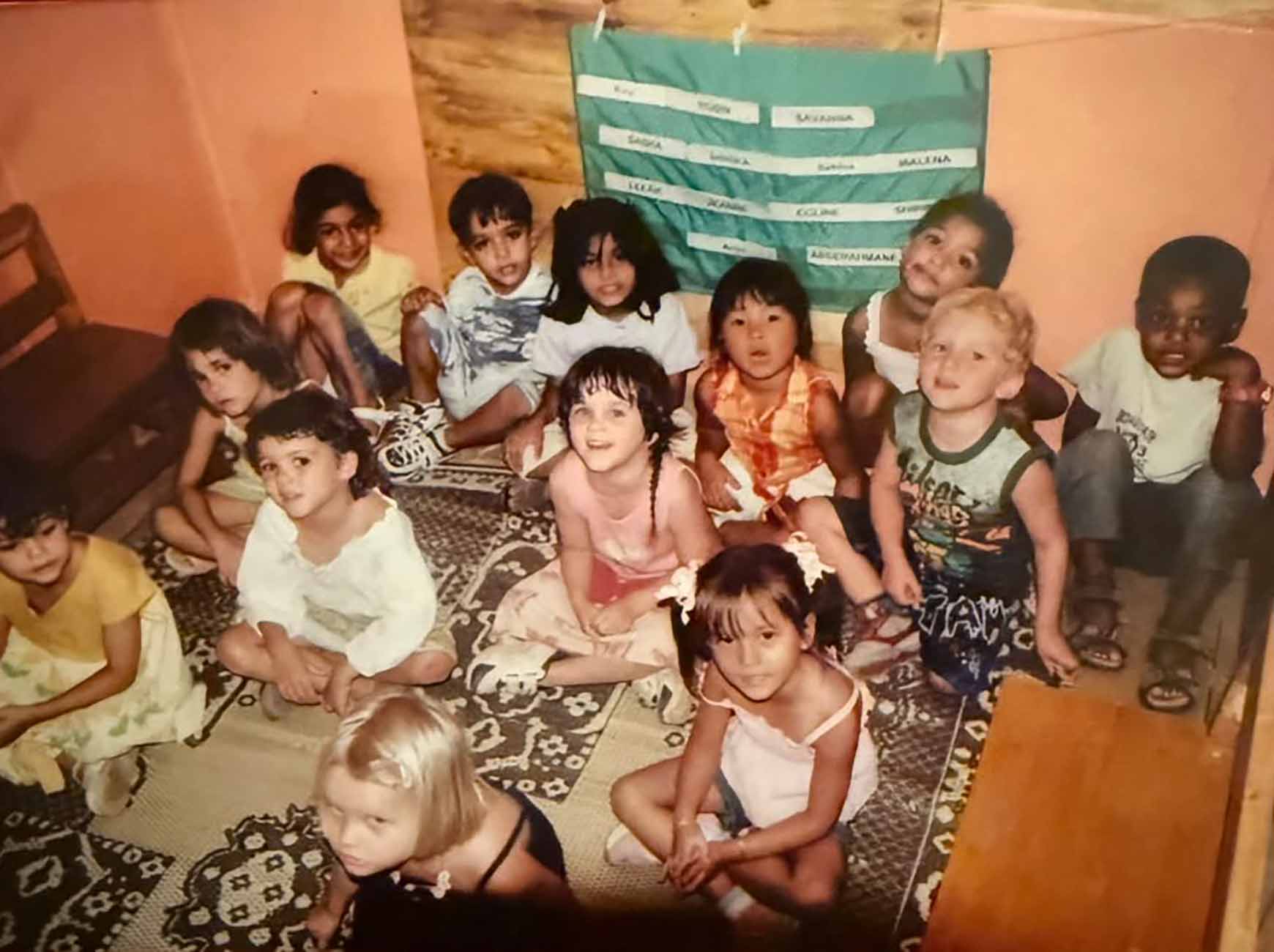
Kira (hereafter K): I was born in Dar es Salaam, Tanzania, Africa. My father was a UN official involved in refugee assistance, and I attended a French international school for diplomats' children. That's why French is my first language. An Asian-American-Tanzanian who speaks French... sounds pretty mysterious, doesn't it? (laughs).
The Indian Ocean was right behind our house, monkeys came into the garden, and I swam in the sea every day. Growing up in an environment where Swahili, Burmese, French, and English were constantly spoken around me, I was an only child who always engaged in deep conversations with adults.
Looking back, the first five years of my life felt like heaven. The foundation of my personality was formed during that period, which is the most critical stage for human development. I feel like who I am today hasn't changed at all from back then; I've just grown up exactly as I was.
B: For readers with children, the phrase "the first five years" really resonates as an essential period for children's social-emotion. What do you think parents should prioritize during that time?
K: Rather than stuffing children with knowledge, I think it's about letting them "experience various worlds with a sense of security." In my case, it happened to be a multilingual and multicultural environment, but what matters is not the "uniqueness of the environment," but whether a child can safely expand their curiosity. Having diverse values naturally by their side--that becomes the deepest foundation for subsequent international understanding and a sense of diversity.
【Learning at Age 3: "The World Isn't Always Safe. But I always encountered people with goodwill."】
B: We understand you've also been exposed to the harsher sides of the world from a young age.
K: Yes. When I was about three or four years old, I visited my father in Sudan. The air was filled with the smell of gunpowder and smoke, and it was so dangerous that my mother and I, as women, couldn't even walk outside. So, at three years old, I learned that "the world is not safe everywhere." Yet, paradoxically, I also believed in the exact opposite: that people are inherently good. I realized everyone is just at the mercy of the environment they were born into, war, or climate change.
B: Does that firsthand realization connect to your current values?
K: It is the ultimate foundation for my approach of "viewing people with goodwill first." Everyone has parents, everyone loses loved ones, everyone falls in love, and everyone experiences pain. Recognizing that allows you to be more forgiving. That's why I believe we should just radiate goodwill. People aren't bad; they have just had bad experiences. If we can pass this "multifaceted perspective" on to our children, they will be able to survive anywhere in the world.
【"I Have to Get Out of Here" -- A Life Changing Decision at 15】
B: You spent your years from ages 6 to 15 in Australia.
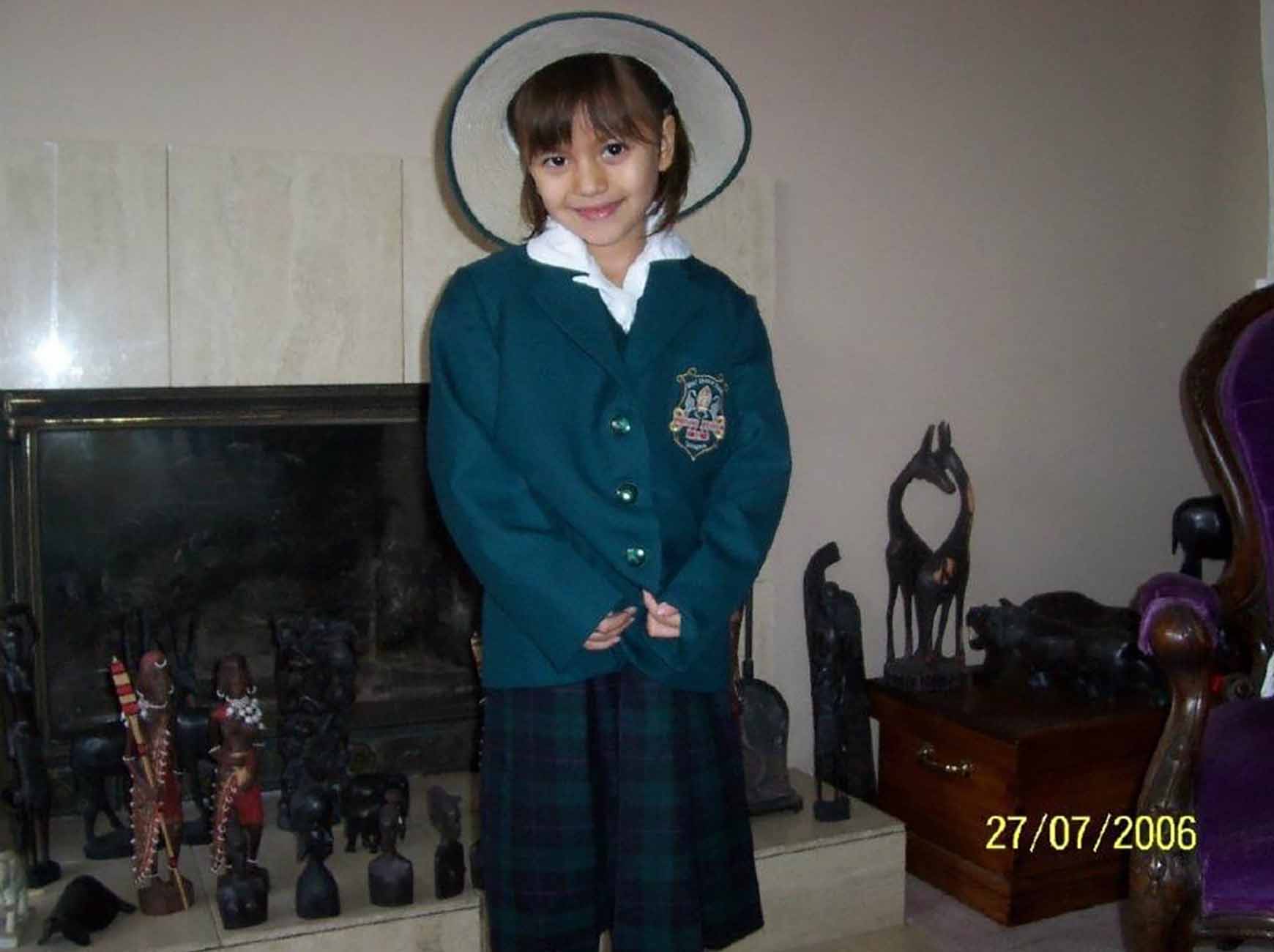
K: Yes, I spent 10 years at a strict private girls' school in Canberra. However, my days there were a stark contrast to the paradise of Tanzania. Within those highly homogenous relationships, I constantly felt that "I don't belong here." Australia has a culture known as the "Tall Poppy Syndrome"--where the protruding nail gets hammered down, and outstanding or ambitious people are dragged down. I felt that "if I want to make my dreams come true, I have no choice but to leave."
B: So you moved to the United States alone at age 15. That's quite a decision.
K: Utilizing my dual citizenship, I dove into the American campus life I had long envisioned. But it wasn't just out of pure admiration; it was a choice made while thinking "10 years ahead." I calculated that if I moved to the US for university, I might not adjust to the country in time. So, I figured it was better to move during high school to get used to it. Designing my own life -- that was my first major step.
【The Power to Turn Adversity into "Learning"】
B: But it wasn't an easy path after moving to the US, was it?
K: No. I had very little contact with my father after age 5, and my mother wasn't in a position to provide financial support. Right after moving to the US, I even experienced a period without a place to live. I had been working since I was 14, and while supporting myself mainly through hospitality jobs, I continued studying in AP (Advanced Placement) classes.
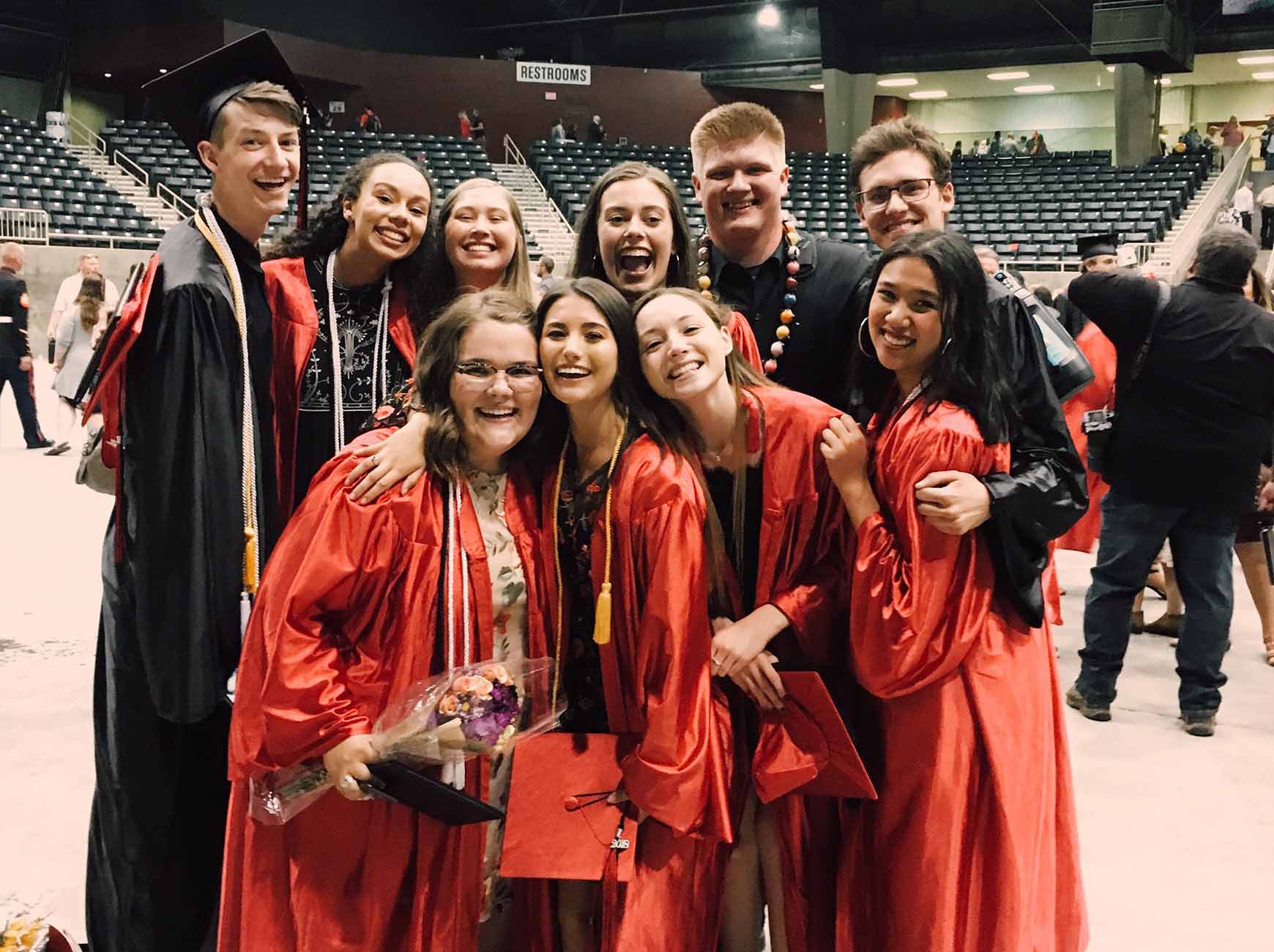
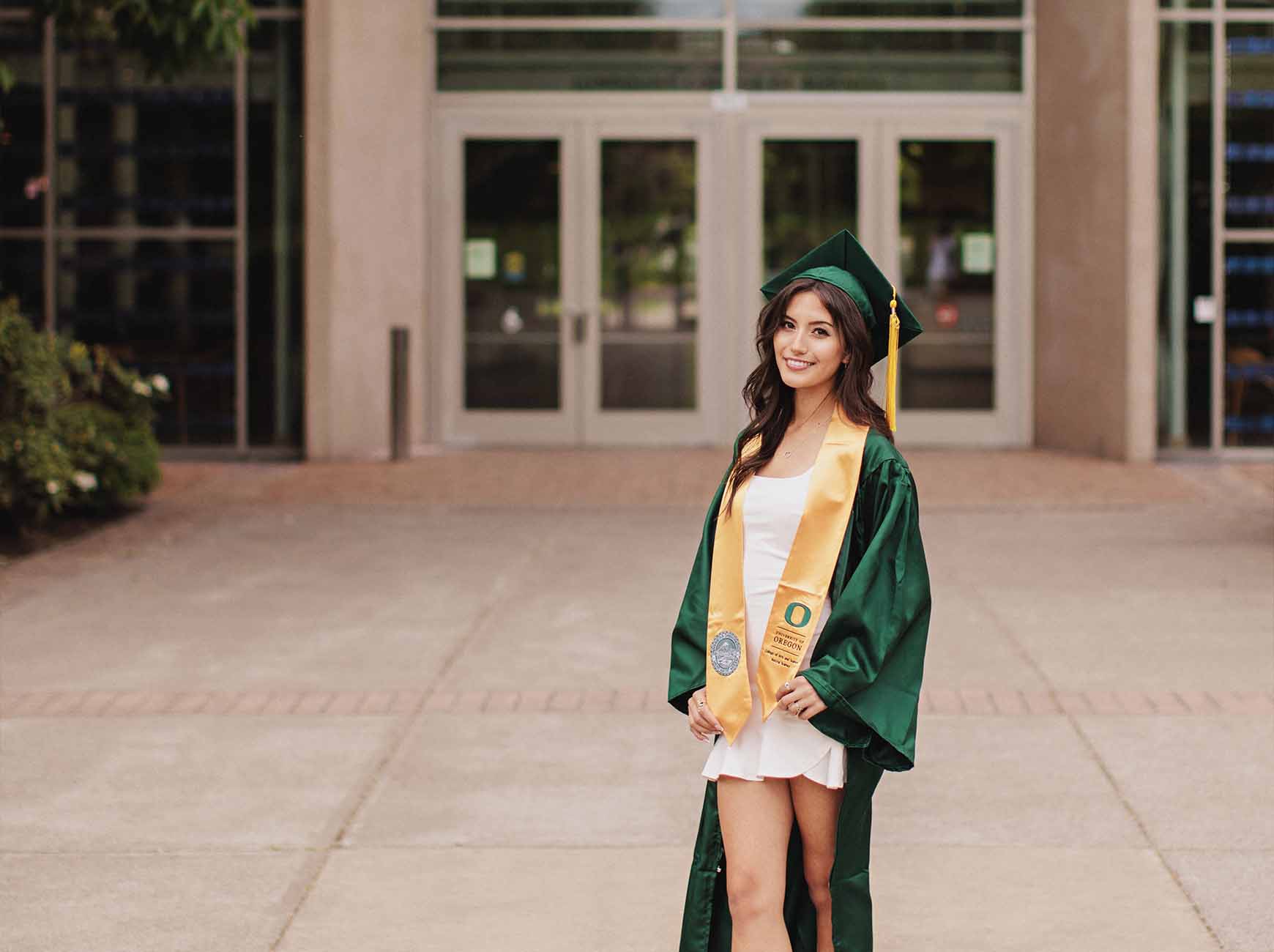
The turning point was discovering the "Pathway Oregon Scholarship," a need-based grant program in Oregon. It's a system that fully covers tuition for students in difficult circumstances, and the requirement to "live in the state for two years" miraculously aligned with my situation up to that point. If I had remained an international student, I wouldn't have qualified. I moved without thinking ahead, but before I knew it, all the conditions fell into place. I can only think of it as destiny. Thanks to that, I was able to attend the University of Oregon on a full scholarship. Centered on Environmental Studies, I also studied Political Science and Geography. My four years at university felt straight out of a movie. It was amazing.
B: Why were you able to keep moving forward despite such adversity?
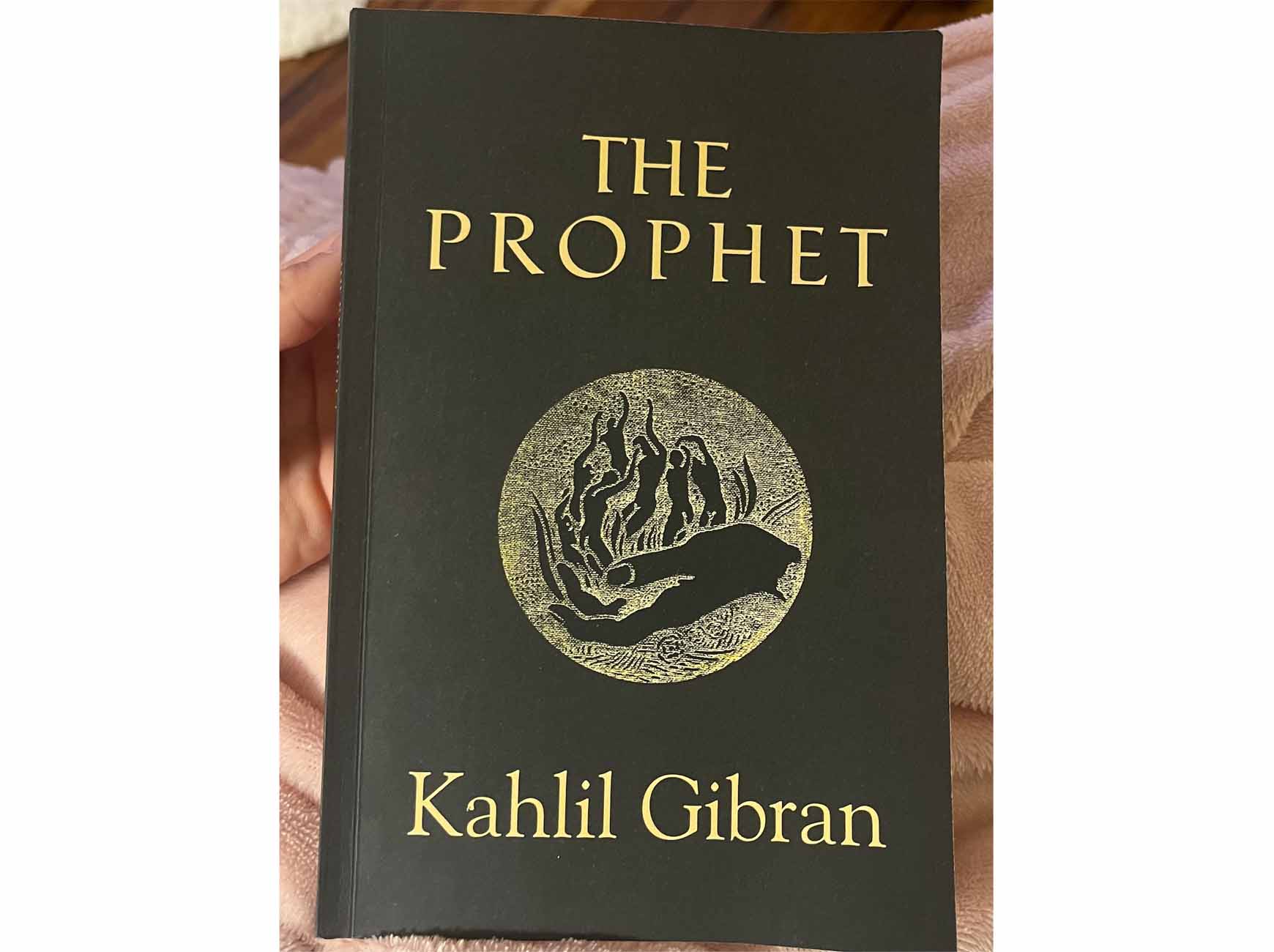
K: There is a passage in my favorite book, The Prophet by Kahlil Gibran, that says: "The deeper that sorrow carves into your being, the more joy you can contain." It is precisely because of painful experiences that you can feel heights of happiness incomprehensible to others. Only by having both do you experience true exhilaration. If you have what you need to live, and you are safe and healthy, you can turn everything that happens into fuel. My overflowing optimism and ambition exist precisely because I once felt a time of "no hope left."
B: Do you have a message for readers raising children?
K: You cannot protect your child from every hardship. However, you can nurture their "ability to turn experiences into learning." As long as they have a secure foundation, children can use their setbacks as stepping stones. Therefore, rather than praising the results, I want parents to acknowledge the act of trying itself. That will become their greatest asset for surviving in this upcoming era of uncertainty.
【Editor's Note】
Tanzania, Australia, the US--Kira grew up treating the world itself as her classroom. These diverse environments granted her something beyond mere language skills: a "multifaceted gaze that views people with goodwill first." An international environment became a living education to become a global citizen, turning even adversity into "learning." Her story teaches us the importance of handing down diversity to children not as "knowledge," but as an "intuitive sense."
▼ Next time (Part 2), we will explore why she chose Japan and Hiroshima after traveling to over 40 countries, and how to nurture an eye that can spot what "truly matters" in a global society.
【Profile】Kira Bella
Founder & CEO of the regional revitalization business "Kirameki." Born in Dar es Salaam, Tanzania, and raised in Australia. Moved to the US alone at age 15 and has traveled to more than 40 countries to date. Majored in Environmental Studies at the University of Oregon and completed her master's degree in Sustainable Energy at Johns Hopkins University. Established "Kirameki" in Kitahiroshima Town, Hiroshima Prefecture, in 2024, operating in the fields of cultural preservation, regional revitalization, and international understanding. Through social media, she shares the charm of the culture and people living in Japan's satoyama both domestically and internationally.
Kirameki Official Website: https://www.kirameki.earth/
Instagram: @kirameki.earth / @earthkira
【Kira's Life Story: In The New Norm of Diversity】
Part1: Upbringing
The World Raised Me to Become a Global Citizen (Current Article)
Part2: Why Hiroshima?
Power to Choose|What Truly Matters in a Global Society (2026.10.01)
Part3: Entrepreneurship
Life Lesson from a John Hopkins Master's Graduate (2026.10.08)