Experience Malvern College Tokyo | Open Day
Malvern Tokyo Open Day
- 名前
- Malvern College Tokyo
- 所在地
- 3-2-1 Josuiminami-cho, Kodaira-shi, Tokyo
- Info
- Written by Minako Shimatani
- URL1
- Register for Open Day
- URL2
- Malvern College Tokyo Website
Malvern College Tokyo which opened in 2023, celebrates its third anniversary this year. It has an unusually spacious campus for an international school in Tokyo, and students follow the International Baccalaureate (IB) programme from their earliest years through to graduation.
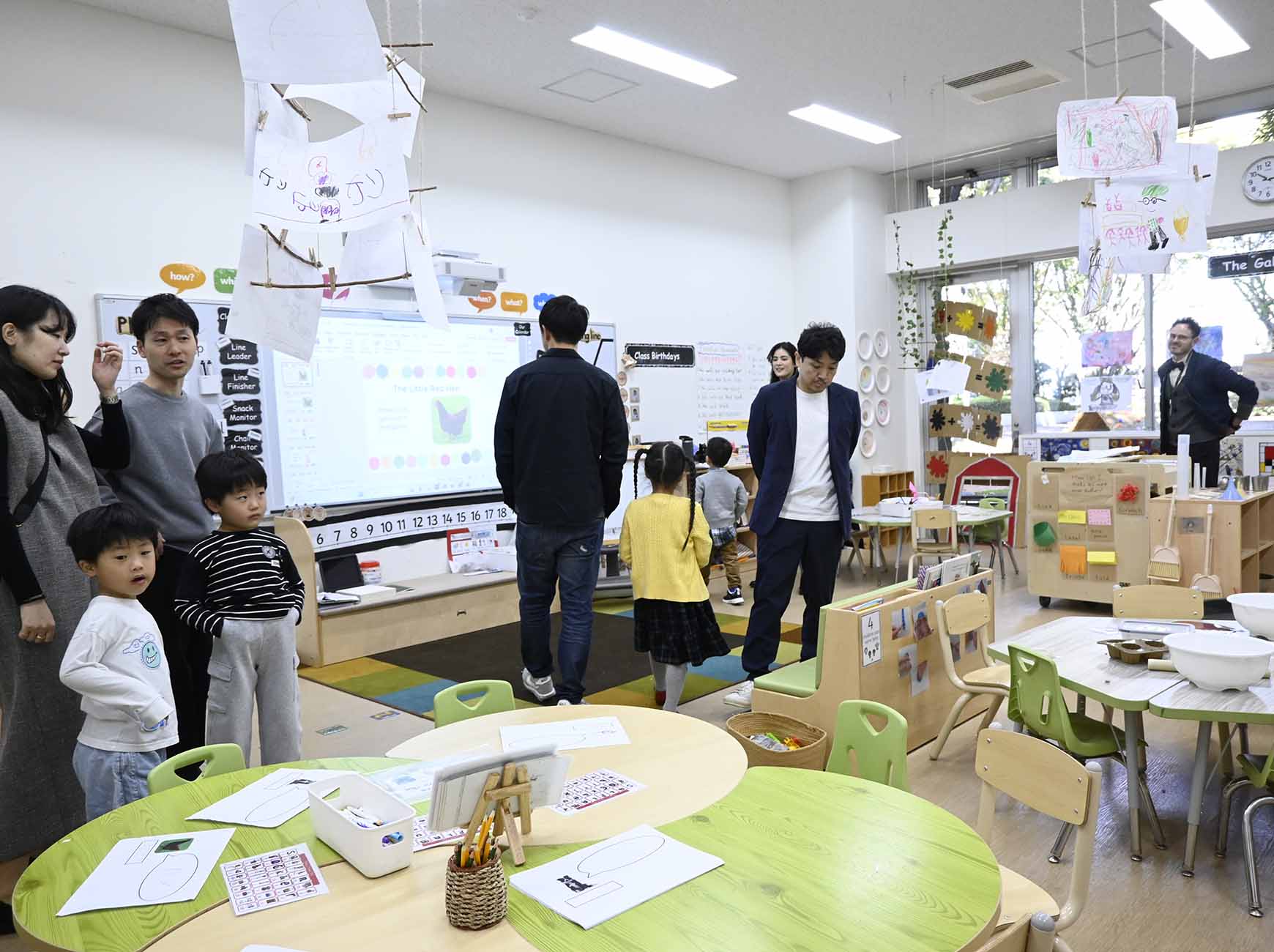
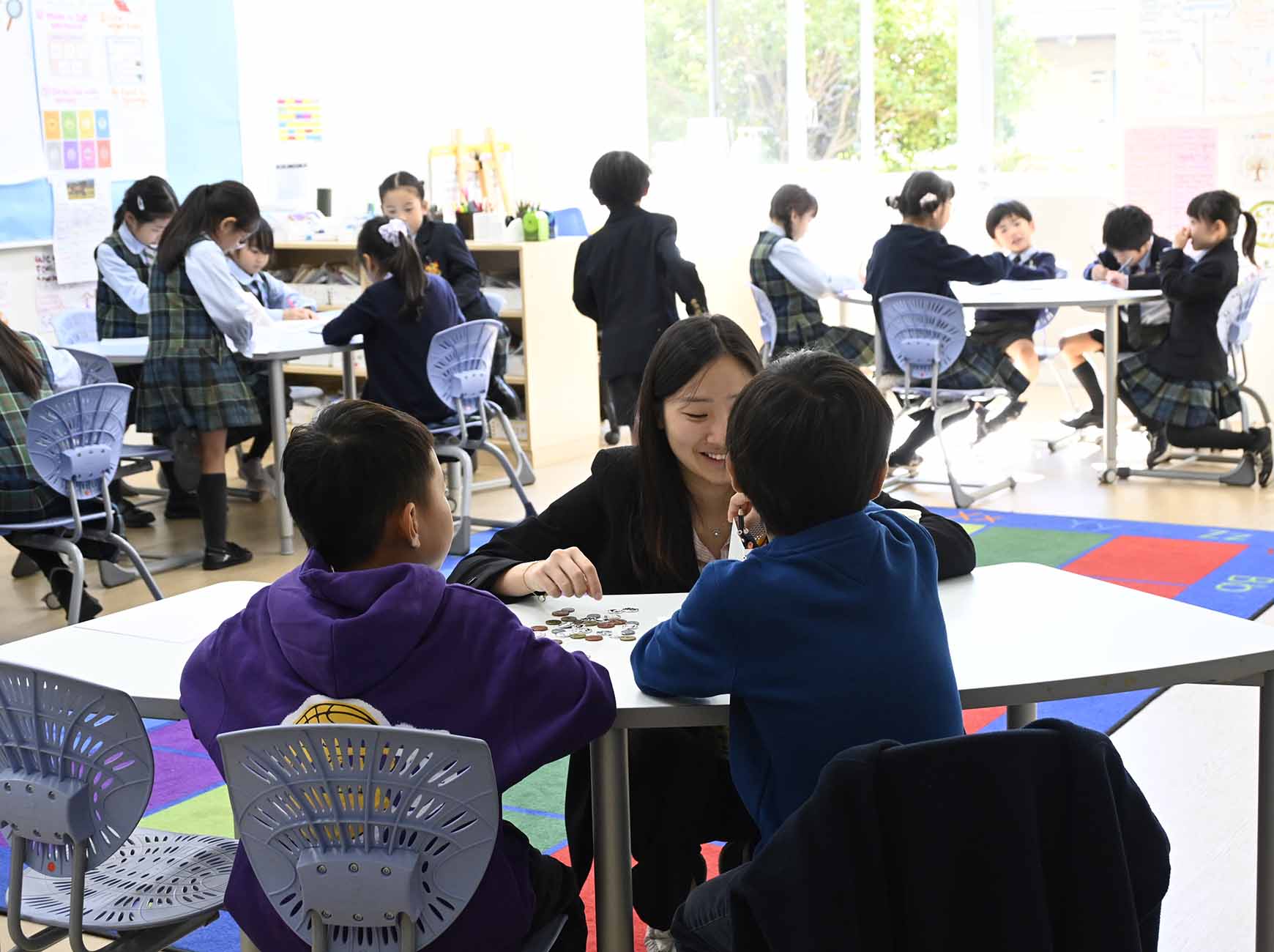
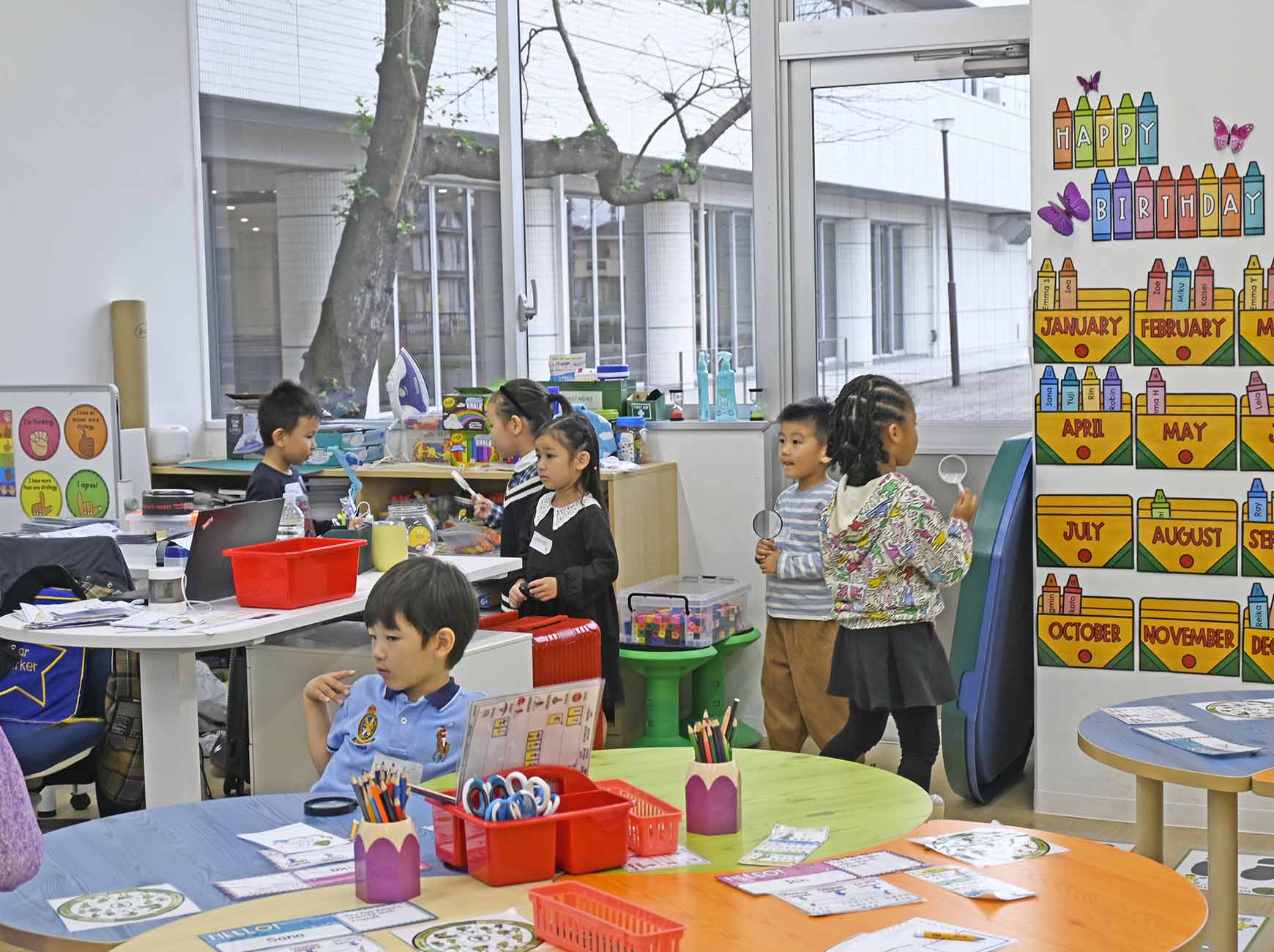
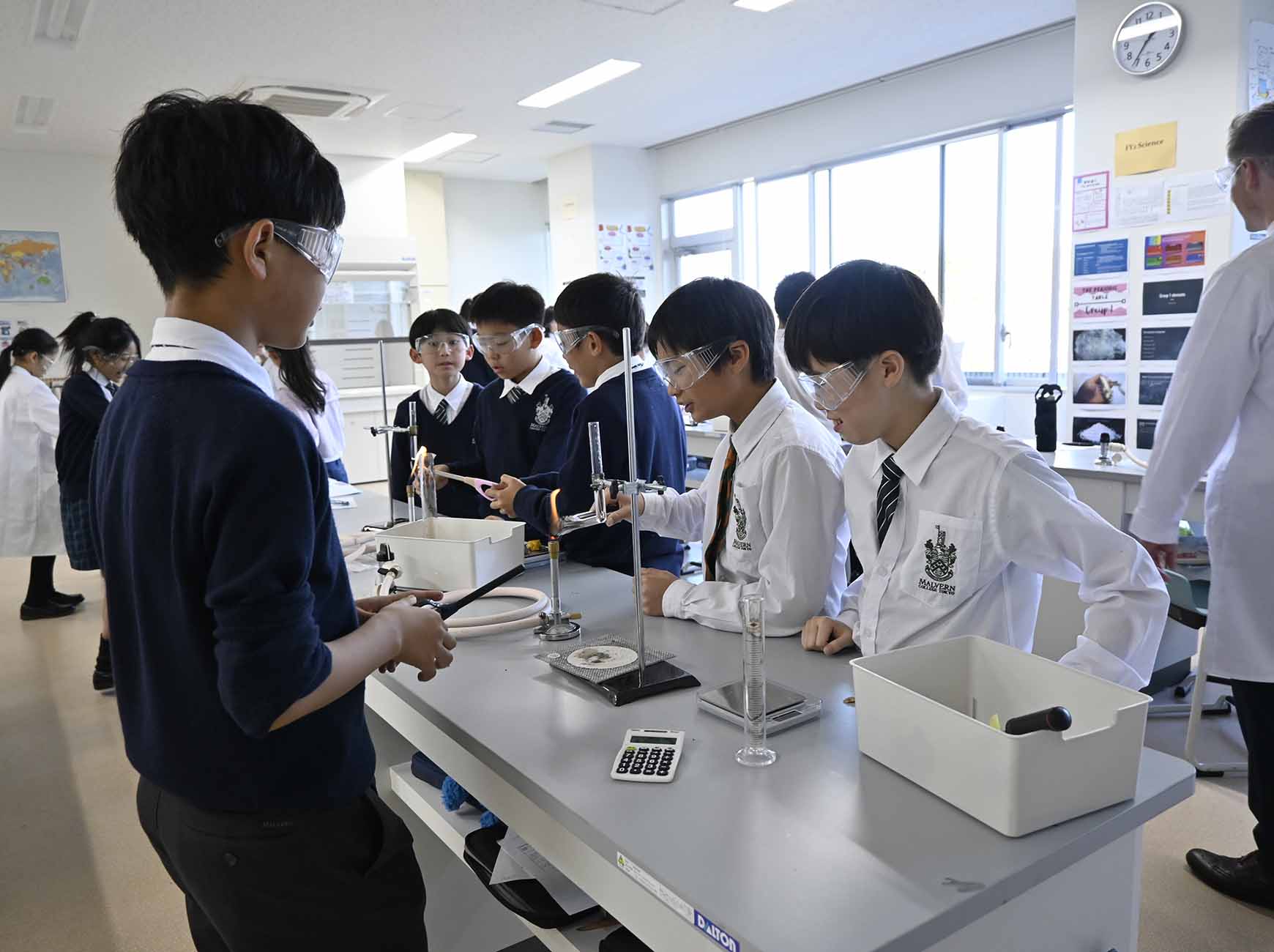
The annual Open Day welcomes both current and prospective families. Visitors can sit in on lessons from Pre-Prep to DP and interact with teachers and current students.
The parents' association, Friends of Malvern (FoM), will also run a tea corner where current parents share their school life.
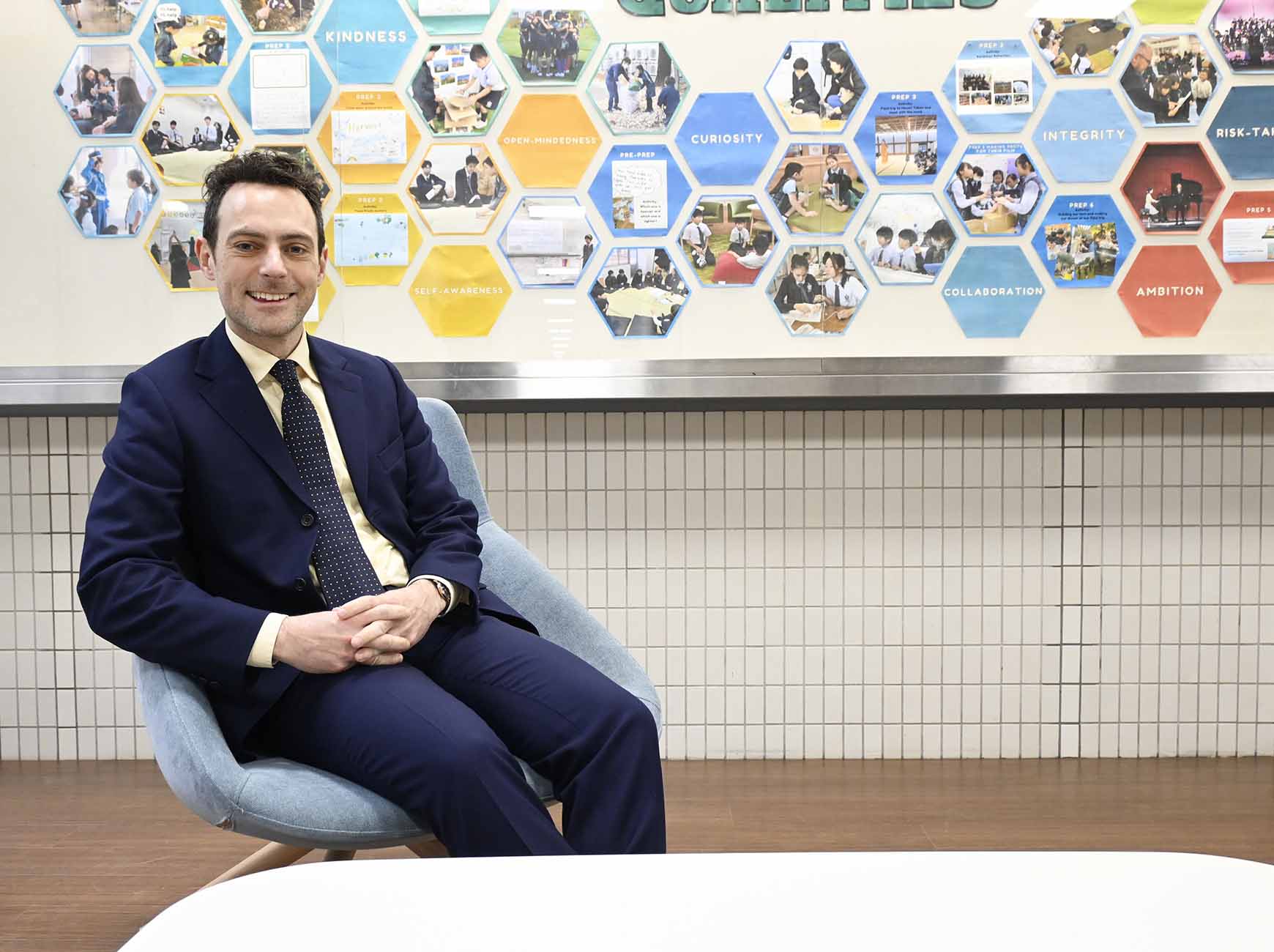
Prior to this special event, Bright Choice interviewed Mr Will Mercer, PYP Coordinator and Assistant Head Teacher, as an introduction to Malvern's approach to education and how to make the most of the Open Day.
===============================
【Open Day: Event Details】
* Date: Tuesday, 3 November 2026
* Venue: Malvern College Tokyo campus" target="_blank">
(3-2-1 Josuiminami-cho, Kodaira-shi, Tokyo 187-0021)
* Times: Morning session 10:00-11:30 / Afternoon session 13:30-15:00
* Registration form: https://fs3.formsite.com/RQdE4c/dmycpsqyj7/index
【About Mr Will Mercer】
* Mr Mercer is one of the founding members of Malvern College Tokyo. Since August 2025, he has served as PYP Coordinator and Assistant Head Teacher, overseeing the Preparatory School and the PYP curriculum.
* Originally from the UK, Mr Mercer began his teaching career in Japan sixteen years ago, as an ALT (Assistant Language Teacher) in Gunma and Osaka, before returning to the UK to train as a primary school teacher. After a decade of teaching there, in 2023 he embraced the opportunity to be part of Malvern College Tokyo's founding team, describing it as "a rare and wonderful opportunity in a teacher's career to build a school from scratch."
* What truly appealed to Mr Mercer was the student-centered IB philosophy, contrary to "The curriculum driven British approach".
===============================
【What We Can Experience on Open Day】
ー・ー・ー・ー・ー
Bright Choice (B): Please describe what is offered at the Open Day event.
ー・ー・ー・ー・ー
Mr Mercer (M): On the day, lessons will be held open to visitors in every year group from Pre-Prep to DP. DP students will also lead campus tours, offering a chance for the external families to ask questions to current students. Many parents look beyond the year group their child would be joining and also visit classrooms for the older years.
What we want the visitors to experience is "Everyday Excellence," which is Malvern College Tokyo's educational philosophy.*1
It is what we highly value in everyday life. It may appear differently depending on the year group, the class and the learning setting, but it certainly runs through every part of school life, from the moment students arrive at school to dismissal, shaping each student's learner profile.
Open Day is about showing what an ordinary day at Malvern looks like, and I hope visitors will get a real feel for it by meeting our students and teachers.
(*1: Related article ⇒ Head Master Interview: "Malvern College Tokyo: Nurturing 'Everyday Excellence' on a Spacious Campus" (15 December 2025))
【Experience 1: Learning at a Full IB Continuum School 】
ー・ー・ー・ー・ー
B: How does students' learning develop from PYP to DP?
ー・ー・ー・ー・ー
M: There are a few things we highly value that run right from the Pre-Prep, through MYP, and to the DP.
One is the "Malvern Qualities": resilience, kindness, curiosity, risk-taking and independence. They overlap in many ways with the IB learner profile, as we can acknowledge that "risk-taking" perfectly matches the IB's "Risk-takers profile."
These are values we share from four-year-old to eighteen-year-old students, demonstrated differently amongst the year groups in age-appropriate ways.
The other is the "Spiral Learning Approach". We revisit the same themes and conceptual ideas, so that students' learning evolves from foundational concepts in early years to more complex and in-depth analysis towards senior years.
Multiplication is a good example. Obviously, students don't finish learning it only to encounter the concept in the lower years, but will revisit it in every single year group, at a much greater depth. This is navigated through our"spiral"curriculum.
On Open Day, I am sure the visitors can see how students grow over the course of a continuous IB education, as they get to see the lessons in every year group from PYP to DP.
ー・ー・ー・ー・ー
B: Could you tell us about transdisciplinary learning, which is a distinctive feature of the IB?
ー・ー・ー・ー・ー
M: In the PYP, every few weeks we choose a big theme, which we call a "Central Idea." Music, dance, maths and Japanese, no matter what the subject is, we always address the same idea to anchor the learning. So instead of learning each subject individually, students explore one conceptual idea from many different angles.
The earlier mentioned "Spiral Learning Approach" allows the students' learning to vertically progress from the lower to the upper years.
Older students, for instance, would question whether people around the world have fair access to clean water. However, this cannot be done without a foundational knowledge of the water cycle acquired back in the early years.
All of these come together in the PYP Exhibition, which every student takes part in during Prep 6. Each student picks their own topic, conducts research and presents their findings.
The PYP Exhibition really energises the whole school community.
In our first year, one student made hand soap from scratch. He spent hours in the lab with the science teacher, and there was quite a bit of chemistry involved. The soap went out to every class, and I used mine for almost a year. I thought of him every time I washed my hands.
Another group looked into food waste at school. They weighed what was being thrown away and found it came to the weight of two fully grown pigs. So they made two papier-mâché pigs and put them outside the dining hall for everyone to see.
ー・ー・ー・ー・ー
B: At the Open Day, how would it be demonstrated? Would visitors be able to observe Malvern's transdisciplinary approaches and some of the students' achievements?
ー・ー・ー・ー・ー
M: First of all, visitors can surely experience it by attending the classes on the day. For example, we plan to have two class teachers in the same year group organize two different activities around a shared central idea, which will be designed based on their expertise. Partway through, the attendants will swap classes, so that they can get to explore one conceptual idea through two different learning aspects/expertises.
There will also be plenty of lessons to experience with our specialist teachers in music, PE and other subjects, which showcase the wide range of learning at Malvern College Tokyo.
We'll also be displaying students' PYP Exhibition projects "in progress". We want visitors to see not only the finished pieces but also the coursework still under way, where students are in the process of questioning and discovering.
And I strongly recommend that the visitors talk to the students. Ask them what they're learning, what difficulties they came across and how they got through them. They'll demonstrate the breadth of their learning far more effectively than I could ever describe it.
【Experience 2: School Culture and Community】
ー・ー・ー・ー・ー
B: You played a central role in creating "Malvern Manners." Could you tell us about them?
ー・ー・ー・ー・ー
M: They're a set of shared expectations for how we behave in the spaces we all use, like the corridors and the Grub (dining hall). We wrote them so that everyone, from the youngest students to the oldest, could understand them.
Our aim is a calm, safe and courteous school. A simple rule like "no running in the corridors" may seem minor, but it matters.
Time is a school's most precious resource. Every collision or argument costs time to resolve. When everyone moves calmly, that time goes back into learning.
ー・ー・ー・ー・ー
B: So they're "manners," not "rules."
ー・ー・ー・ー・ー
M: Yes, we have prudently chosen this word. When students write rules, they tend to end up with a long list of "don'ts, but good behaviour can't be defined only by what not to do. So we described, in positive language, how we want to be. The student council reviewed the first draft, and we incorporated their ideas.
ー・ー・ー・ー・ー
B: We acknowledge that the dining hall, "The Grub," carries on Malvern's unique school culture.
ー・ー・ー・ー・ー
M: At lunch, students sit with their House groups. They serve themselves, clear their plates when they've finished, thank the kitchen staff and wipe down their tables. It's the perfect setting for building independence, and I love seeing older students showing the younger ones how it's done.
ー・ー・ー・ー・ー
B: Tell us about the parents' association, Friends of Malvern (FoM).
ー・ー・ー・ー・ー
M: FoM is a volunteer group for parents who want to get involved in school life, and over the past few years it has become something we really rely on. FoM brings all sorts of community-led cultural experiences to the school. For example, it takes the lead on Halloween and the Book Festival, our annual festival celebrating literature. They also play a vital role in the Sakura Culture Festival.
Every year at the Sakura Culture Festival, parents from Japan, China and the UK each run their own tasting booth, serving matcha, Chinese tea and British tea.
FoM also supports the students' everyday learning. During a unit on business, we invited parents who had started their own companies, and so many of them came in to share their story with the students. Parents who are doctors and dentists have also lectured on dental care.
On Open Day, there will be a tea corner organized by FoM. It was the FoM members who offered to sit down with prospective families over a cup of tea and give an honest picture of life at Malvern.
【Experience 3: Enriching School Life on a Spacious Campus】
ー・ー・ー・ー・ー
B: What does a typical day look like for a PYP student?
ー・ー・ー・ー・ー
M: We start at 8:20 with 25 minutes of registration. Students might work on spelling or reading, or take part in "Circle Time," which is part of our social and emotional learning (SEL). They talk about things like what happened in the playground the day before, or how they speak to one another.
Lessons run for 50 to 55 minutes, which is longer than usual. In inquiry-based IB learning, 35 or 40 minutes simply isn't enough for students to come up with their own questions and explore them in depth. Time is the most important resource we have.
ー・ー・ー・ー・ー
B: The size of the campus is remarkable.
ー・ー・ー・ー・ー
M: Outdoor space full of trees is something very few international schools in Tokyo can offer, and we make the most of it. At recess, for example, students can choose to spend their time in the library, the Sakura Garden or the playground.
In our first year, my class was working on a unit called "Sharing the Planet," and the students' own questions eventually led them to dig a pond just outside the classroom. It shows how the outdoors makes a great classroom on our campus.
Around the school, there are lots of specialist spaces: the sports hall known as "Big School," a dance studio, music rooms and a black box theatre completed this year. A walk around the campus on Open Day will give visitors a sense of the breadth of our students' learning.
After school, more than 40 co-curricular activities (CCAs) take place across this large campus, and it is exciting to see the number of CCAs growing every year.
This year saw the launch of a robotics club that aims to enter competitions. Many clubs, such as debate, Model United Nations, orchestra, basketball and swimming, work towards a competition or a performance.
In Prep 1 to 3, students rotate through different activities rather than choosing a single club, which also helps them get to know many teachers and educational assistants (EAs). In Prep 6, every student works towards a LAMDA public speaking qualification from the UK as part of the curriculum. Oracy, the ability to speak and listen well, is something I care about a great deal.
ー・ー・ー・ー・ー
B: Tell us about the iconic residential trips.
ー・ー・ー・ー・ー
M: We've actually just come back from Expedition Week. Every year, each year group from Prep 3 upwards goes on its own residential trip during this week.
The first is the Prep 3 "Library Sleepover". For almost all of the students, it's their first night away from their parents, so the sleepover takes place in the familiar setting of the school library. The evening includes toasting marshmallows and exploring the building and the Sakura Garden in the dark.
This year, I went with Prep 4 to Chiba. We stayed a night in a lodge and tried orienteering and fire-lighting. We also did a "digital detox": at the start of the trip, everyone put their phones in a bag and handed them in for 24 hours. I think that was a really meaningful experience for today's digital native students.
Destinations get further away as students move up the school. One year group visits Kyoto to learn about history and culture, while others go to Nagano, Hiroshima, Yakushima and Hokkaido. Overseas trips are planned for the DP.
We're a British school, but since we're based in Japan, we want our students to really get to know its history, culture and nature before graduating.
【A Message to Open Day Visitors】
ー・ー・ー・ー・ー
B: Do you have a message to the Open Day visitors?
ー・ー・ー・ー・ー
M: Please do come along to our annual Open Day. Look into the classrooms and talk to the students. Nobody can tell you about this school better than they can.
【Sign Up for the Event!】
↓↓↓
Malvern College Tokyo Open Day
Registration form: https://fs3.formsite.com/RQdE4c/dmycpsqyj7/index
===============================
【About Malvern College Tokyo】
* Now in its fourth year, Malvern College Tokyo has grown rapidly to more than 400 students.
* Next academic year will be a defining milestone, as it opens the Upper Sixth (Year 13, the final year of secondary school), establishing MCT to become the only "all-through" British international school in Tokyo, offering the full IB programme on a single campus.
* The school plans to expand to more than 900 students. While keeping its small classes, warm family atmosphere and attention to each individual, it aims to bring "Everyday Excellence" to even more students.
【Admission Guidelines】
* Admissions accepts students at any time during the academic year across all year groups (subject to seat availability), with the main annual intake beginning in August.
* Eligible grades for AY2026-2027 are Pre-Prep (Age 4) through Lower Sixth / Year 12 (Age 17), expanding to Upper Sixth / Year 13 for the full continuum in AY2027-2028.
* Assessments and interviews will be organized according to the grade levels.
* For the Lower Prep, observation of behaviour, and for the Upper Prep and above, a computer-based test in English and an English Writing assignment, followed by an interview with the academic faculty will be conducted.
* Parents of all grades will interview with the academic faculty.
* Malvern College Tokyo Admissions: https://www.malverncollegetokyo.jp/admissions/
===============================